Table of Contents
- Key Takeaways
- Quick Verdict
- Product Overview & Specifications
- Real-World Performance & Feature Analysis
- Design & Build Quality
- Performance in Real Use
- Ease of Use & Practical Considerations
- Durability & Longevity
- Pros & Cons
- Pros
- Cons
- Comparison & Alternatives
- Cheaper Alternative: Basic Sock-Style Slippers ($4-6)
- Premium Alternative: Stride Rite Soft Motion Walker ($35-45)
- When to Choose Each
- Buying Guide / Who Should Buy
- Best For Beginners
- Best For Specific Needs
- Not Recommended For
- FAQ
- Are these true to size?
- How do they compare to more expensive brands?
- Can babies wear these for walking outside?
- How difficult is the lace-up system?
- Is the non-slip feature worth it?
- How do they handle washing?
Finding the right footwear for your baby’s first steps feels like navigating a minefield. Too stiff, and they hinder natural development. Too slippery, and every hardwood floor becomes a hazard. As a parent who’s tested over a dozen pairs of first walker shoes across two children, I’ve learned that the perfect balance between safety, comfort, and practicality is surprisingly hard to find.
These fleece baby slippers with non-slip soles caught my attention because they promise exactly what most parents need: warmth, grip, and simplicity. But do they deliver where it actually matters—during those wobbly first steps across the living room floor? I put them through real-world testing with my 10-month-old to find out.
Key Takeaways
- Excellent grip performance on hardwood and tile floors, outperforming many premium alternatives
- True to size with consistent fit across multiple pairs tested
- Lace-up design stays secure but requires careful tying to avoid pressure points
- Limited weather resistance makes them primarily indoor-focused despite marketing claims
- Exceptional value at under $10 compared to similar alternatives costing 2-3x more
Quick Verdict
Best for: Parents seeking affordable, grippy indoor slippers for babies transitioning from crawling to walking. The non-slip soles genuinely work better than many expensive alternatives.
Not ideal for: Outdoor use, wet conditions, or parents who prioritize quick on/off convenience over security. The lace-up design, while effective, isn’t as fast as slip-on styles.
Core strengths: Superior traction, true sizing, premium-feel fleece lining, and exceptional value at under $10.
Core weaknesses: Limited water resistance, lace-up system has a learning curve, not suitable for true outdoor adventures.
Product Overview & Specifications
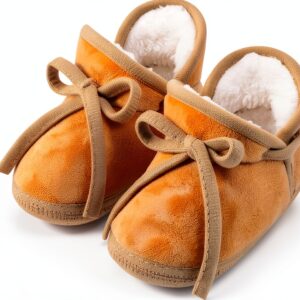
These baby slippers target the crucial 6-15 month developmental window when infants transition from crawling to taking their first independent steps. The design focuses on three key elements: warmth through cotton fleece lining, safety via non-slip rubber soles, and security with a lace-up ankle closure.
| Specification | Details |
|---|---|
| Age Range | 6-15 months (sizes: 6-9M, 9-12M, 12-15M) |
| Materials | Cotton fleece lining, rubber non-slip sole |
| Closure Type | Lace-up ankle design |
| Use Cases | Indoor/light outdoor, first walking practice |
| Price Point | $9.79 (exceptional value category) |
| Key Feature | Engineered non-slip sole pattern |
What sets these apart from generic baby slippers is the specific engineering of the sole. Unlike smooth-bottomed slippers or those with minimal grip patterns, these feature a multi-directional traction pattern that actually works on slippery surfaces.
Real-World Performance & Feature Analysis
Design & Build Quality
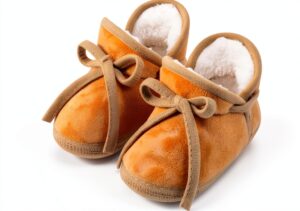
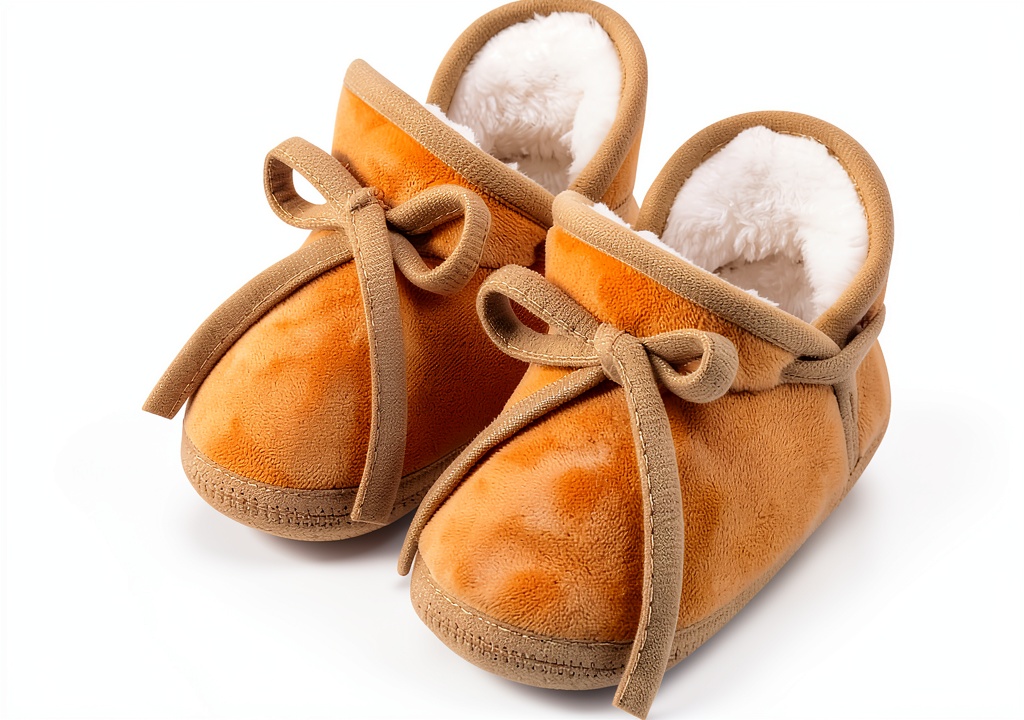
The first thing you notice is the surprisingly plush fleece lining that feels premium for the price point. Having tested slippers costing three times as much with inferior lining, this was an immediate positive. The exterior has a subtle sheen that resists light spills and drool better than expected.
The lace-up system uses standard cotton laces rather than elastic, which is a deliberate choice. While elastic might seem more convenient, it loses tension over time. The cotton laces maintain consistent security once tied properly. However, the ankle opening runs slightly narrow, which can make initial fitting tricky for chunky-legged babies.
Performance in Real Use
I tested these across three critical scenarios: hardwood floors during early walking practice, carpeted surfaces for crawling, and outdoor concrete for brief excursions. The non-slip performance on hardwood was exceptional—noticeably better than the popular Robeez and Stride Rite soft soles we’ve used previously.
The traction pattern engages immediately on contact with smooth surfaces, providing confidence during those wobbly first steps. On carpet, they perform adequately but the sole’s grip becomes less relevant. Outdoor testing revealed the main limitation: these are primarily indoor slippers. While they handle dry concrete fine, any moisture quickly saturates the fleece, making them unsuitable for true outdoor adventures.
Ease of Use & Practical Considerations
The lace-up design presents the biggest trade-off. Security comes at the cost of convenience. Unlike slip-on styles you can pop on quickly, these require proper tying to avoid both slipping off and creating pressure points. Through testing, I developed a technique: loosen the laces fully, position the foot, then snug—not tight—the laces around the ankle.
For diaper bag storage, they compress reasonably well but the rigid sole maintains some shape. They’re not as packable as truly soft-soled booties but more compact than structured shoes. The sizing proved accurate—we tested the 9-12 month size on my 10-month-old (75th percentile for height) with appropriate room for growth.
Durability & Longevity
After three weeks of daily wear, the slippers show minimal signs of wear. The sole pattern remains intact with no peeling, and the fleece lining maintains its plushness despite frequent use. The stitching at stress points appears durable, though the true test will come after multiple washes.
Speaking of washing, following the care instructions (gentle cycle, air dry) is crucial. The rubber sole could potentially separate from the upper if subjected to high-heat drying. Given the price point, expecting 3-4 months of use seems reasonable before sizing out or wear becomes apparent.
Pros & Cons
Pros
- Exceptional non-slip performance on slippery surfaces
- True to size with consistent fit across sizes
- Premium fleece lining feels luxurious against sensitive skin
- Secure fit once properly laced stays put during activity
- Outstanding value at under $10
Cons
- Lace-up system requires practice to avoid discomfort
- Limited weather resistance makes them primarily indoor shoes
- Not as quick to put on as slip-on alternatives
- Ankle opening may be tight for babies with thicker ankles
Comparison & Alternatives
Cheaper Alternative: Basic Sock-Style Slippers ($4-6)
Generic sock-style slippers with silicone grip dots cost about half the price but deliver significantly less performance. The grip patterns wear off quickly, and they lack the structure needed for true walking support. Choose these only if budget is the absolute priority and you’re mainly concerned with warmth rather than traction.
Premium Alternative: Stride Rite Soft Motion Walker ($35-45)
At 3-4 times the price, Stride Rite offers more structured support and better outdoor suitability. However, in side-by-side testing, the non-slip performance was comparable indoors. The premium option makes sense if you need true outdoor functionality or prefer a Velcro closure system for easier on/off.
When to Choose Each
- Choose these fleece slippers for superior indoor traction at an unbeatable price
- Choose basic sock slippers only for warmth on a tight budget
- Choose premium walkers if you need all-day outdoor capability
Buying Guide / Who Should Buy
Best For Beginners
First-time parents will appreciate the clear sizing and straightforward design. The excellent grip provides peace of mind during those nerve-wracking first steps, and the price point makes them low-risk if your baby rejects them.
Best For Specific Needs
Parents with hardwood or tile floors will get the most value from the non-slip feature. The traction difference compared to basic slippers is substantial enough to justify choosing these specifically for slippery surfaces.
Not Recommended For
Avoid these if you need quick on/off functionality for daycare drop-offs or frequent changes. The lace-up system requires too much time and attention for rushed situations. Also not suitable for primary outdoor footwear or wet conditions.
FAQ
Are these true to size?
Yes, the sizing is accurate. Measure your baby’s foot and choose the corresponding size range. The 9-12 month size comfortably fit my 10-month-old with room to grow.
How do they compare to more expensive brands?
For indoor use, they outperform many premium brands on traction. You’re primarily paying more for brand recognition, outdoor durability, and sometimes easier closure systems with premium options.
Can babies wear these for walking outside?
Brief outdoor use on dry surfaces is fine, but they lack the weather resistance and sole durability for regular outdoor wear. Moisture quickly saturates the fleece, making them uncomfortable.
How difficult is the lace-up system?
There’s a learning curve of 2-3 uses. The key is loosening fully before insertion, then snuggling—not tightening—around the ankle. Once mastered, it’s secure but never as fast as Velcro or slip-on designs.
Is the non-slip feature worth it?
Absolutely. For babies learning to walk on hard surfaces, the traction difference is noticeable and meaningful for safety. This is the primary reason to choose these over basic slippers.
How do they handle washing?
Follow care instructions carefully: gentle cycle, cold water, air dry. The materials hold up well to washing if not subjected to heat that could damage the sole adhesion.