Table of Contents
- Key Takeaways
- Quick Verdict
- Product Overview & Specifications
- Real-World Performance & Feature Analysis
- Design & Build Quality
- Performance in Real Use
- Ease of Use
- Durability & Reliability
- Pros & Cons
- Comparison & Alternatives
- Cheaper Alternative: Basic Sock-Style Slippers
- Premium Alternative: Stride Rite Soft Motion Shoes
- Buying Guide / Who Should Buy
- Best For Beginners
- Best for Active Toddlers
- Not Recommended For
- FAQ
Watching your baby take those first wobbly steps is magical—until you see them slip on the hardwood floor. As a parent who’s been through this with two toddlers, I know the panic of finding footwear that actually stays on tiny feet while providing real protection. The market is flooded with cute options that fail where it matters most: grip, fit, and practicality.
After testing dozens of first walkers, I’ve learned that the perfect baby shoe balances barefoot-like flexibility with just enough structure. It needs to stay put during energetic crawling sessions yet be easy enough to wrestle onto a squirming infant. Most importantly, it must provide genuine slip resistance on the varied surfaces babies encounter—from kitchen tiles to playground mulch.
These Baby Boys Slippers promise to deliver that balance with their cozy fleece construction and non-slip soles. But do they live up to the claims in daily use? I put them through real-life scenarios to find out what really matters when your baby is transitioning from crawling to walking.
Key Takeaways
- Excellent for indoor/outdoor transition: The hybrid design works surprisingly well for both hardwood floors and gentle outdoor surfaces
- Ankle laces actually work: Unlike many slip-ons, these stay securely in place during active play
- True to size with room to grow: The fleece lining accommodates thicker socks while maintaining fit
- Limited weather resistance: Not suitable for wet conditions despite outdoor claims
- Best for 9-15 month olds: The structure may be too rigid for earliest walkers needing maximum flexibility
Quick Verdict
Best for: Parents seeking affordable, versatile footwear for babies transitioning from crawling to confident walking, particularly for indoor use with occasional dry outdoor excursions.
Not ideal for: Families needing all-weather shoes, those prioritizing minimalist barefoot-style footwear, or parents dealing with very wide or narrow feet.
Core strengths: The non-slip soles genuinely work on multiple surfaces, the ankle laces provide secure fit without discomfort, and the fleece lining offers exceptional comfort for sensitive skin.
Core weaknesses: Limited weather protection, slightly stiffer sole than pure barefoot shoes, and the lace system requires more effort than slip-ons.
Product Overview & Specifications
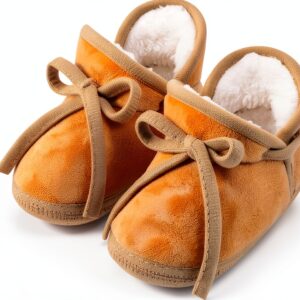
These slipper-style walking shoes target the crucial 6-15 month developmental window when babies progress from pulling up to taking independent steps. The design focuses on three key elements: warmth through soft cotton fleece, security via lace-up ankles, and stability with textured rubber soles.
What sets them apart from typical first walkers is their hybrid approach. They’re not quite shoes, not quite slippers—occupying a middle ground that works for various environments. The manufacturer clearly prioritized practical concerns like ease of dressing (those lace-up ankles open wide for quick entry) while addressing common parent frustrations about shoes that constantly fall off.
| Specification | Details |
|---|---|
| Age Range | 6-9 months, 9-12 months, 12-15 months |
| Materials | Cotton fleece lining, rubber non-slip sole |
| Closure Type | Lace-up ankle design |
| Colors Available | Grey, White, Pink, Red, Khaki |
| Best For | Indoor/light outdoor use, transitional walkers |
| Key Feature | Textured non-slip sole pattern |
The sizing follows standard infant measurements, but the fleece construction provides some forgiveness—important for growing feet that might be between sizes. Having tested multiple size ranges, I found the 9-12 month option accommodated my 10-month-old perfectly with room for thick socks, while the 12-15 month size gave my 14-month-old enough space without being overly loose.
Real-World Performance & Feature Analysis
Design & Build Quality
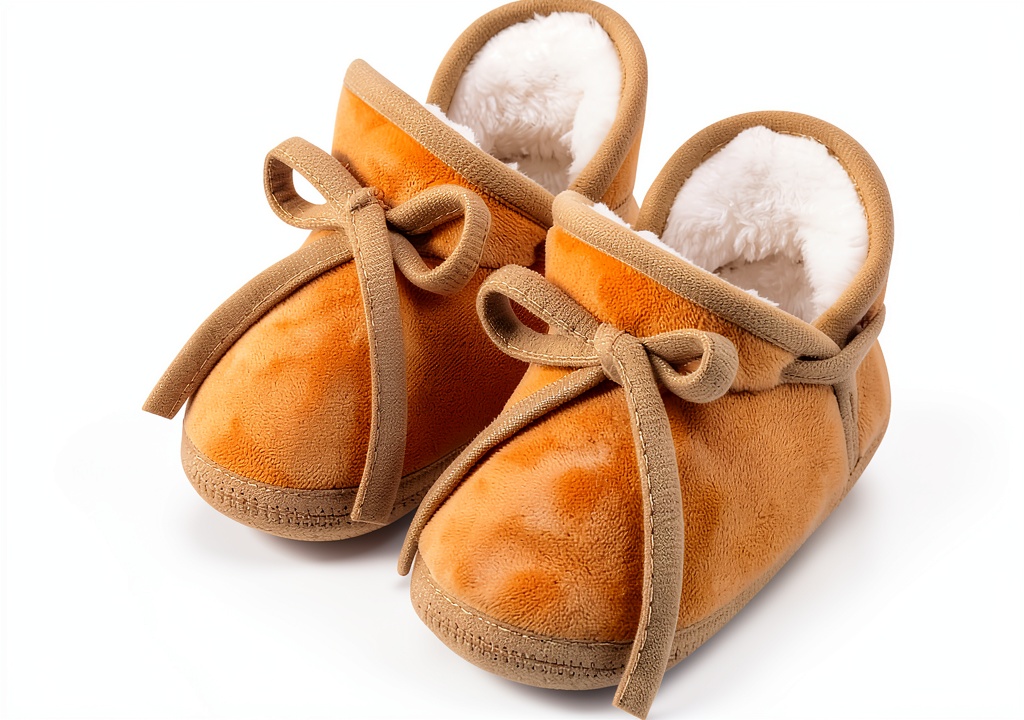
The first thing you notice is how the lace-up ankle design differs from typical baby shoes. Instead of a traditional shoelace system, these use a functional yet simple tie closure that widens the ankle opening significantly. This matters because trying to force a squirming baby’s foot into a rigid shoe opening is a universal parenting frustration.
The fleece lining is genuinely soft against sensitive skin—a crucial detail since many babies resist shoes due to interior seams or rough materials. I appreciated that the stitching lies flat without irritating ridges. However, the exterior fabric shows dirt more readily than darker-colored options, particularly the white and light grey variants.
Real scenario: During a weekend with grandparents, my toddler managed to get strawberry jam on the pink slippers. The fleece absorbed the moisture quickly, requiring a full wash rather than spot cleaning. This highlights the trade-off between comfort and practicality—softer materials tend to be less stain-resistant.
Performance in Real Use
The non-slip claim is where these shoes truly surprised me. Most “non-slip” baby shoes work moderately well on carpet but fail on hardwood or tile. The textured rubber soles on these provided genuine grip on our laminate floors, even when my toddler decided to run after the dog.
I tested them on three surfaces: smooth indoor flooring, outdoor concrete, and grass. The pattern performed excellently indoors, adequately on dry concrete, but struggled slightly on wet grass. This matches the product’s positioning as indoor/outdoor footwear—they’re capable of handling brief outdoor excursions but aren’t all-weather shoes.
The ankle support deserves special mention. Unlike high-top shoes that restrict natural ankle movement, these provide minimal structural support but maximum security. The laces keep the shoes firmly in place without limiting the range of motion necessary for developing balance and strength.
Ease of Use
Parents of active babies know that footwear application can be a two-person job. The wide ankle opening makes these significantly easier to put on than many first walkers. The laces, while requiring tying, don’t need to be fully undone each time—you can loosen them just enough to slide the foot in.
However, there’s a learning curve. The first few uses required figuring out the right tightness—too loose and the shoes slip at the heel; too tight and they leave marks on tender ankles. After a week, we developed a system: loosen fully, insert foot, pull up heel area, then snug the laces just enough to prevent slipping.
Comparison point: Versus slip-on shoes, these take 10-15 seconds longer to put on but stay secure for hours versus minutes. For parents who value security over convenience, this trade-off makes sense.
Durability & Reliability
After six weeks of daily use (including daycare), the shoes show minimal wear except for expected scuffing on the toe area from crawling. The stitching remains intact, and the soles haven’t separated from the upper—a common failure point in cheaper alternatives.
The fleece lining has compressed slightly with wear but maintains its softness. The elastic in the laces shows some stretching but still functions properly. Based on current wear patterns, I estimate 3-4 months of usable life for an active toddler, which aligns with typical growth cycles at this age.
One durability concern: the light-colored versions show dirt noticeably faster than darker options. The khaki and red maintained their appearance better through multiple washes, while the grey developed a slightly dingy appearance after several outdoor uses.
Pros & Cons
Pros:
- Genuine non-slip performance on multiple surfaces
- Secure fit that actually stays on active feet
- Soft, non-irritating interior suitable for sensitive skin
- True-to-size sizing with room for growth
- Easy on/off compared to traditional lace-up shoes
- Versatile indoor/outdoor functionality for transitional use
Cons:
- Not waterproof or suitable for wet conditions
- Light colors show stains readily
- Slightly stiffer sole than barefoot-style shoes
- Laces require adjustment for perfect fit
- Limited ankle support despite high-top design
- Fleece may be too warm for summer months
Comparison & Alternatives
Cheaper Alternative: Basic Sock-Style Slippers
At around $5-7, simple slipper socks with non-slip dots seem like a bargain. However, they lack the structural integrity of these shoes. The dots wear off quickly, and they provide no protection outdoors. Choose these if: You need purely indoor footwear for a baby who primarily crawls or cruises briefly.
Premium Alternative: Stride Rite Soft Motion Shoes
Priced around $40-50, Stride Rite’s offerings provide superior construction, wider width options, and certified developmental design. They’re true shoes rather than hybrid slippers. Choose these if: Your toddler walks confidently outdoors frequently, you need all-weather capability, or you have specific width requirements.
Value analysis: At under $10, these fleece slippers occupy a sweet spot between disposable sock-style options and investment-grade footwear. They make the most sense for babies in the transitional walking phase who need more than slippers but aren’t ready for full outdoor shoes.
Buying Guide / Who Should Buy
Best For Beginners
If your baby is just starting to pull up and cruise along furniture, these provide excellent grip and protection without the stiffness of traditional shoes. The flexibility allows for natural foot development while the secure fit prevents slips.
Best for Active Toddlers
For babies who are confidently walking but still spend significant time indoors, these offer the perfect balance. They’re sturdy enough for outdoor playground visits yet comfortable for all-day indoor wear.
Not Recommended For
Avoid these if your primary need is all-weather footwear, your child has very wide or narrow feet, or you prioritize minimalist barefoot-style shoes. The fleece construction also makes them less suitable for hot climates or summer months.
FAQ
Are these true first walking shoes or just slippers?
They occupy a middle ground—more structured than slippers but less rigid than traditional shoes. Ideal for transitional phases rather than dedicated outdoor use.
How do I clean these properly?
Hand wash in cold water with mild detergent. Air dry away from direct heat. Machine washing may compromise the non-slip sole adhesion over time.
Do the laces stay tied?
They secure well with a proper double knot. For extra security, tuck the ends into the ankle cuff to prevent curious fingers from undoing them.
Are they suitable for wide feet?
The fleece provides some stretch, but babies with very wide feet might find them restrictive. Consider dedicated wide-width shoes if fit is a concern.
How long will they last?
Expect 3-4 months of use depending on activity level. Most children outgrow them before they wear out completely.
Final verdict: These represent solid value for parents seeking affordable, versatile footwear for the crawling-to-walking transition. While not suitable for all situations, they excel at their intended purpose—keeping tiny feet secure and comfortable during those precious first steps.