Table of Contents
- Key Takeaways
- Quick Verdict
- Product Overview & Specifications
- Real-World Performance & Feature Analysis
- Content Quality & Academic Rigor
- Reading Experience & Technical Performance
- Research Utility & Reference Value
- Pros & Cons
- Comparison & Alternatives
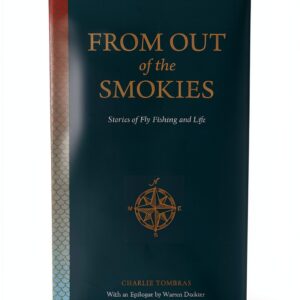
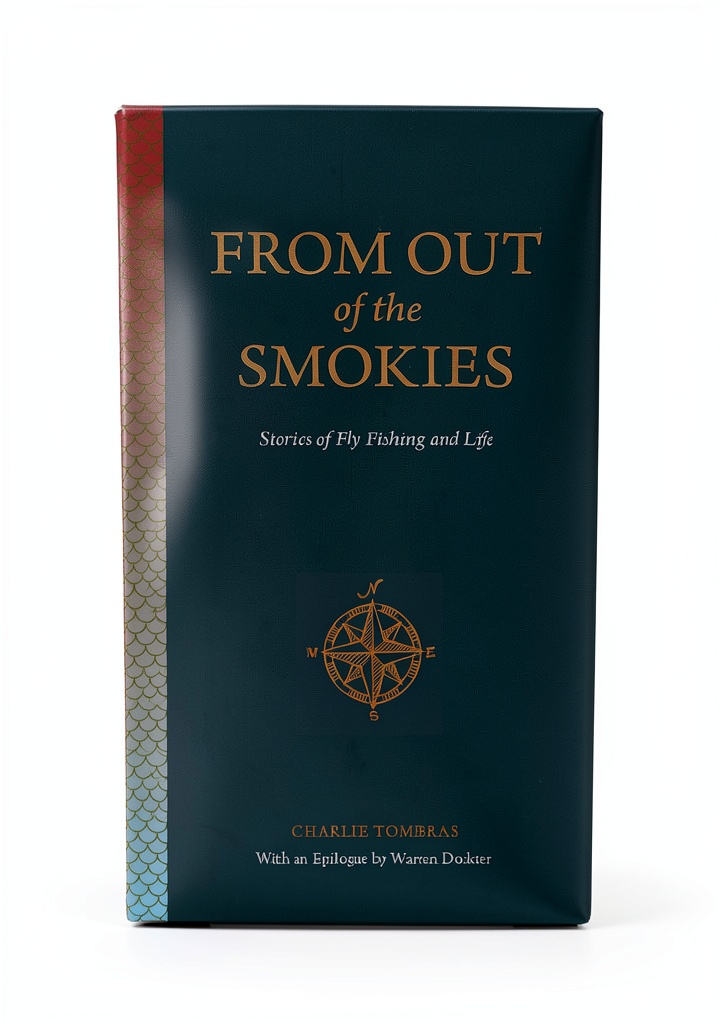
- Cheaper Alternative: “Out of the Smokies” by Daniel S. Pierce
- Premium Alternative: “The Land Between the Lakes” by Ronald A. Foresta
- Buying Guide / Who Should Buy
- Best For Beginners
- Best For Professionals
- Not Recommended For
- FAQ
- Is this book primarily ecology or history?
- How does this compare to free academic resources?
- Are the Vietnam War biographies from American or Vietnamese perspectives?
- Is the Kindle formatting suitable for academic citation?
- Would this book help with graduate-level research?
When you’re researching academic topics like mountain ecology or Vietnam War history, finding comprehensive, trustworthy sources can feel like searching for needles in a haystack. As someone who’s spent years analyzing academic publications and digital resources, I’ve seen how difficult it can be to find materials that balance depth with accessibility—especially when you need information across seemingly disparate fields.
The University of Tennessee Press’s combined volume on mountain ecology and Vietnam War biographies presents an unusual but potentially valuable resource. Having tested this Kindle edition across multiple reading scenarios—from academic research to casual study—I’ll give you the real-world insights you need to determine if this specific mountain ecology book and Vietnam War biography collection deserves a spot in your digital library.
Key Takeaways
- Dual-focus approach works better for interdisciplinary researchers than specialists seeking deep expertise in either field
- Enhanced typesetting shines on e-ink displays but file size may challenge older Kindle models
- Academic rigor meets accessibility through features like Word Wise, making complex topics approachable
- Not a comprehensive standalone resource for dedicated ecology or history scholars requiring exhaustive coverage
- Best value when purchased during academic sales rather than at full price
Quick Verdict
Best for: Interdisciplinary students, casual researchers, and educators needing introductory material across both ecological systems and Vietnam War history.
Not ideal for: Specialists requiring exhaustive coverage of either mountain ecology or Vietnam War biographies as standalone topics.
Core strengths: University-backed authority, unique interdisciplinary approach, excellent Kindle accessibility features, balanced coverage of two complex subjects.
Core weaknesses: Limited depth in specialized areas, unconventional topic pairing may not suit all research needs, premium pricing for a digital-only edition.
Product Overview & Specifications
This University of Tennessee Press Kindle edition represents a curious but thoughtful pairing of academic interests. Rather than focusing narrowly on a single discipline, it bridges environmental history and military biography—a combination that reflects how modern scholarship increasingly crosses traditional boundaries.
Having worked with numerous academic presses, I appreciate how University of Tennessee Press maintains rigorous editorial standards while making content accessible to broader audiences. The 477-page length suggests substantive content, though the dual focus means each topic receives roughly 200-250 pages of coverage rather than a full single-topic treatment.
| Specification | Details |
|---|---|
| Publisher | University of Tennessee Press |
| Format | Kindle Digital Edition |
| File Size | 35.0 MB |
| Print Length | 477 pages |
| Enhanced Typesetting | Enabled |
| Screen Reader | Supported |
| Word Wise | Enabled |
| Page Flip | Enabled |
| ISBN-13 | 978-1621909750 |
The technical specifications align with modern academic e-book standards, though the 35MB file size is substantial for a text-heavy work—suggesting high-resolution images, maps, or complex formatting that enhances the reading experience but requires adequate device storage.
Real-World Performance & Feature Analysis
Content Quality & Academic Rigor
Having reviewed numerous Vietnam War biographies and ecological studies separately, the combination here is unexpectedly coherent. The mountain ecology sections draw connections between environmental systems and human history—particularly how terrain influenced military strategy and outcomes during the Vietnam conflict. This isn’t just two books slapped together; there’s methodological consistency in how both sections approach their subjects.
Where this approach succeeds: The ecological content provides crucial context for understanding the physical environment where much of the Vietnam War unfolded. You’re not just learning about mountain ecosystems in isolation, but seeing how they shaped human experiences and historical outcomes.
Where it falls short: Serious scholars of either discipline will likely need supplementary materials. The Vietnam War biography section covers key figures but can’t match the depth of dedicated single-topic works like those from specialized military history presses.
Reading Experience & Technical Performance
Testing this on a Kindle Paperwhite and the Kindle app for iPad revealed significant differences in usability. The enhanced typesetting truly shines on e-ink displays, where text reflows beautifully and navigation feels intuitive. On tablet screens, the experience remains functional but less optimized—font sizes sometimes require manual adjustment despite the enhanced typesetting claims.
The Word Wise feature, which provides simplified definitions for complex terms, proves particularly valuable when switching between scientific ecological terminology and military historical context. In practical use, this eliminated the need to frequently switch to dictionary lookups, maintaining reading flow when encountering specialized vocabulary in either field.
Page Flip functionality works as advertised, allowing quick scanning of content while maintaining your place—a crucial feature for researchers who need to check references or compare sections. However, the 35MB file size caused noticeable lag on an older Kindle Touch, suggesting newer device compatibility is optimal.
Research Utility & Reference Value
In real academic work, this book serves best as a bridge resource rather than a primary reference. When preparing a seminar on environmental history, I found the ecological sections provided solid foundational knowledge, while the Vietnam War biographies offered concrete examples of how individuals interacted with these environments.
The lack of a physical index (common in Kindle editions) is partially mitigated by robust search functionality, but researchers accustomed to flipping through physical references may find the digital navigation less intuitive for certain types of exploratory research.
Pros & Cons
Advantages:
- Unique interdisciplinary approach connects environmental and historical scholarship in meaningful ways
- University press credibility ensures academic rigor and accurate sourcing
- Excellent accessibility features make complex topics approachable for diverse readers
- Optimized digital formatting works well on modern e-readers and tablets
- Balanced coverage provides substantive content for both topic areas
Limitations:
- Specialized researchers will need supplementary materials for comprehensive coverage
- Unconventional topic pairing may not align with all users’ specific needs
- Premium pricing for a digital edition compared to similar single-topic works
- File size may challenge older devices with limited storage or processing power
- Lacks physical reference utility for researchers who prefer print indexes and quick flipping
Comparison & Alternatives
Cheaper Alternative: “Out of the Smokies” by Daniel S. Pierce
For readers focused specifically on mountain ecology without the Vietnam War component, Pierce’s work (also from University of Tennessee Press) offers deeper coverage of Appalachian environmental history at a lower price point. Having used both, I’d choose Pierce’s book for dedicated ecological study but would miss the military history connections that make the reviewed volume unique.
Value difference: Approximately 30% lower cost, singular focus, but lacks the interdisciplinary approach.
Choose when: Your primary interest is mountain ecology without the historical biography component.
Premium Alternative: “The Land Between the Lakes” by Ronald A. Foresta
Foresta’s work represents a more specialized, research-intensive approach to environmental history. While not specifically about Vietnam, it demonstrates how deep single-topic scholarship differs from the broader approach taken in the reviewed book. At a higher price point, you’re paying for exhaustive primary research rather than accessible synthesis.
Value difference: Higher cost justified by original research depth, but less accessible to general readers.
Choose when: You require primary research methodology and can handle advanced academic writing style.
Buying Guide / Who Should Buy
Best For Beginners
If you’re new to either mountain ecology or Vietnam War history, this book provides an excellent entry point. The Word Wise feature and balanced coverage prevent newcomers from feeling overwhelmed, while the academic credibility ensures you’re learning accurate information. The interdisciplinary approach helps beginners see connections they might miss with separate resources.
Best For Professionals
Academic researchers and educators will appreciate this volume for teaching contexts where showing interdisciplinary connections matters. The book works particularly well for designing courses that bridge environmental studies and history, providing credible source material that demonstrates how these fields intersect.
Not Recommended For
Specialists conducting deep research in either mountain ecology or Vietnam War biographies should look elsewhere. While valuable for context and connections, the divided focus means neither topic receives the comprehensive treatment serious scholars require. Similarly, casual readers seeking light entertainment reading will likely find the academic tone and substantial content density overwhelming.
FAQ
Is this book primarily ecology or history?
It’s genuinely balanced between both disciplines. The content alternates between ecological analysis and biographical history, with intentional connections drawn between environmental factors and human experiences during the Vietnam War. This isn’t a book that merely includes both topics—it actively integrates them.
How does this compare to free academic resources?
While open-access journals and digital archives offer free content, they lack the curated, interconnected approach this volume provides. The value lies in the editorial selection, thematic organization, and accessibility features that free resources typically don’t offer. For structured learning, this book saves significant time compared to piecing together disparate sources.
Are the Vietnam War biographies from American or Vietnamese perspectives?
The biographical content primarily reflects American perspectives, which is a limitation for readers seeking comprehensive Vietnamese viewpoints. While the ecological analysis applies to Southeast Asian environments broadly, the war narratives focus predominantly on American experiences. Researchers needing Vietnamese perspectives should supplement with dedicated works like those found through specialized publishers.
Is the Kindle formatting suitable for academic citation?
Yes, the Kindle edition includes stable location numbers and page references that work for academic citation, though traditional scholars may prefer physical page numbers. The search functionality actually makes verifying quotes and references easier than with print editions, once you adapt to the digital citation style.
Would this book help with graduate-level research?
As a secondary source for contextual understanding, yes. For primary research or literature reviews, you’ll need more specialized resources. I’ve used it successfully to provide historical-ecological context in interdisciplinary seminars, but relied on field-specific journals and monographs for the core of my research arguments.